
Picture of KIPPRA

KIPPRA

A global benchmark in public policy research and analysis.

Kenya Economic Report 2023 Validation Workshop

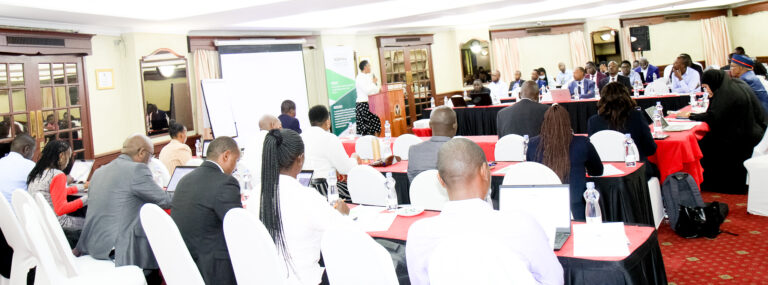
KIPPRA held validation workshop for the Kenya Economic Report 2023 on 28th February 2023. The theme of the report is “cost of living and the role of markets.” The objective of the workshop was to share the findings of the draft Kenya Economic Report 2023 with the stakeholders for discussion and comments towards refining of the report.  
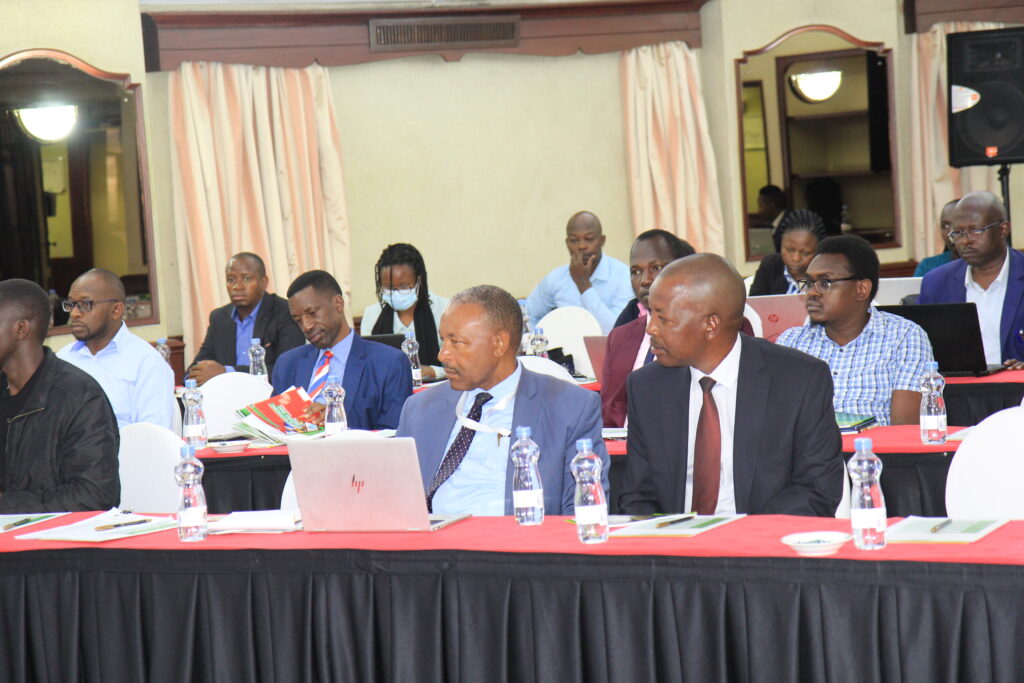
The workshop brought together representatives from state and non-state actors. The event was graced by KIPPRA Executive Director Dr Rose Ngugi, KIPPRA Board Vice-Chair Ms Christine Wanjala, Board Programmes Committee Chair Prof. Harrison Maithya and Board members Dr Chris Galgallo and Fatuma Hussein.
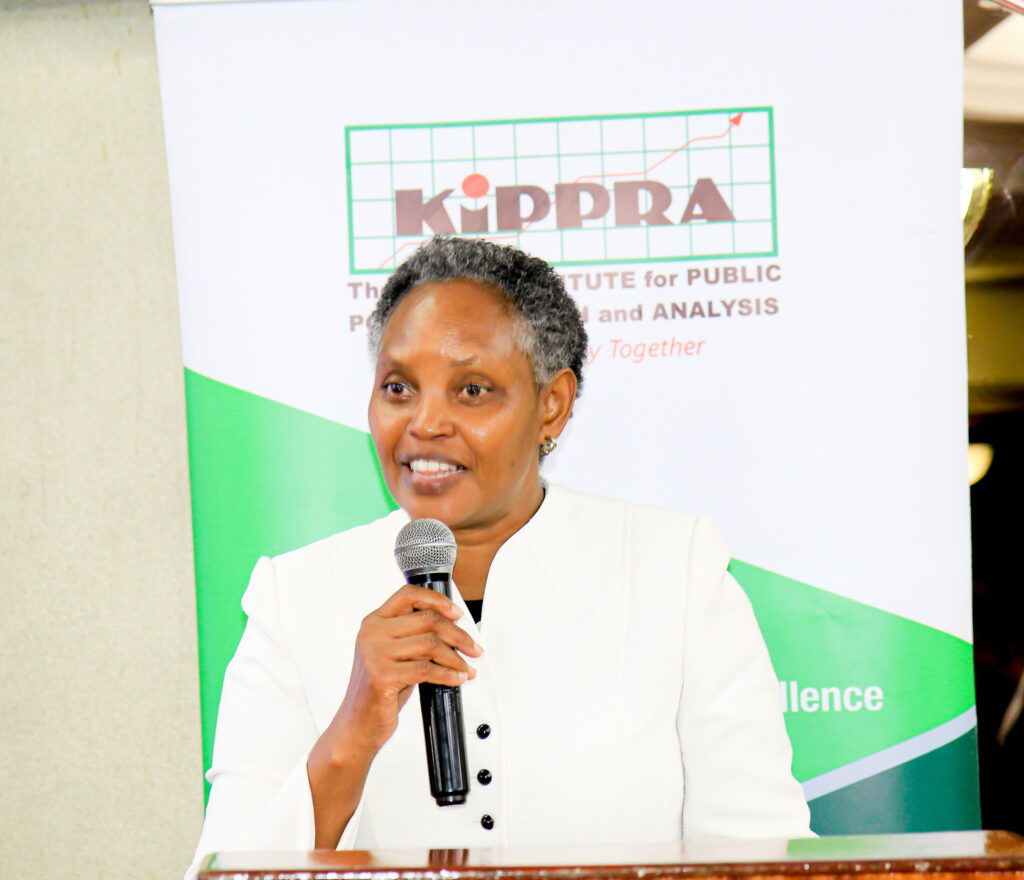
KIPPRA Executive Director Dr Rose Ngugi makes her remarks at the validation workshop
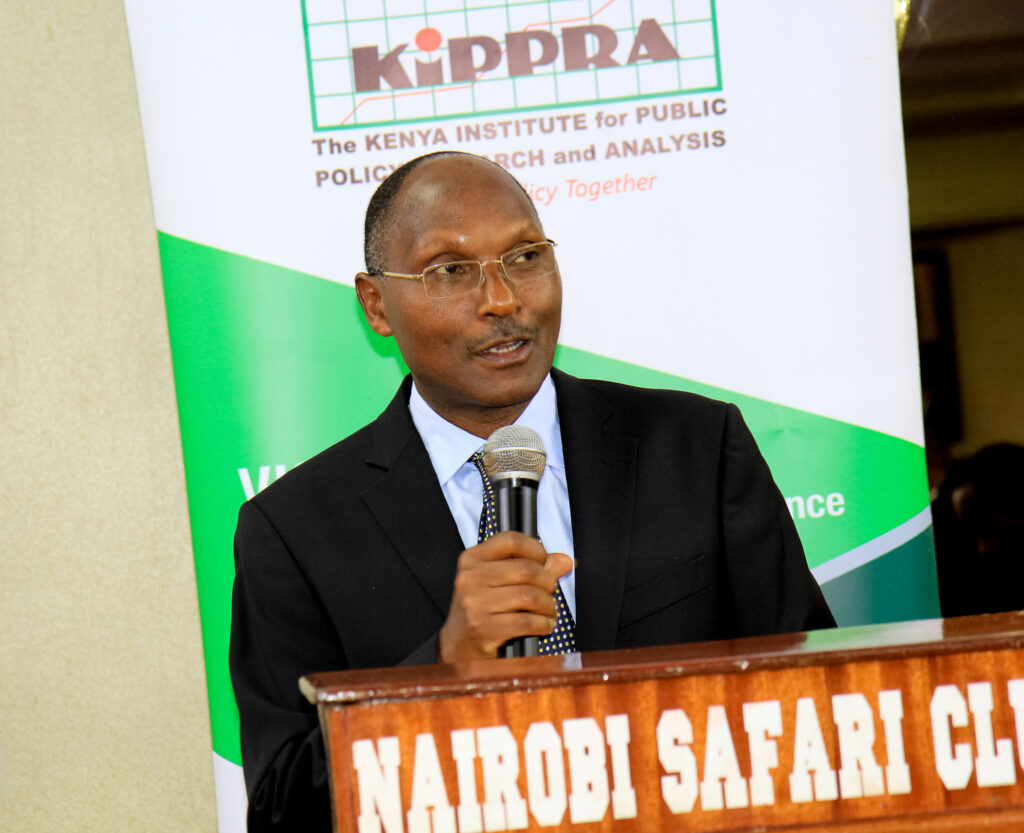
KIPPRA Board Programmes Committee Chair Prof Harrison Maithya addresses participants at the workshop

Upon finalisation the report will be submitted to the Cabinet Secretary, National Treasury and Economic Planning by 31st March 2023. Kenya Economic Report is a statutory report prepared annually by KIPPRA pursuant to Section 23(3) of the KIPPRA Act No. 15 of 2006. It is the Institute’s flagship report, which provides Kenya’s economic performance and prospects for the medium-term.

Share this post

Stay Up to Date

More Blogs

Empowering Women Entrepreneurs to Create Jobs in Kenya

Women entrepreneurs present an opportunity to restructure the job market through self-employment. Promotion of this segment of businesses is critical in complementing the business sector, which is male-dominated.

Promoting Pension Scheme Acquisition among Informal Sector Workers in Kenya

In Kenya, about 83.6 per cent of the workforce is in the informal sector, contributing substantially to economic development but lacking financial security as they age due to limited access to pensions. Unlike formal sector employees with statutory pensions such as the National Social Security Fund (NSSF), informal workers are often excluded from these programmes.