


Picture of KIPPRA

KIPPRA

A global benchmark in public policy research and analysis.

New Board Members Learn About KIPPRA’s Mandate, Products and Services 

The KIPPRA Board Members went through an induction programme conducted by the management staff. The aim of programme was to enable the board members, especially the new ones, understand the Institute’s mandate, strategic direction, workplan activities, performance contract obligations, research and capacity building programmes, partnership engagements, key products and services as well as challenges.
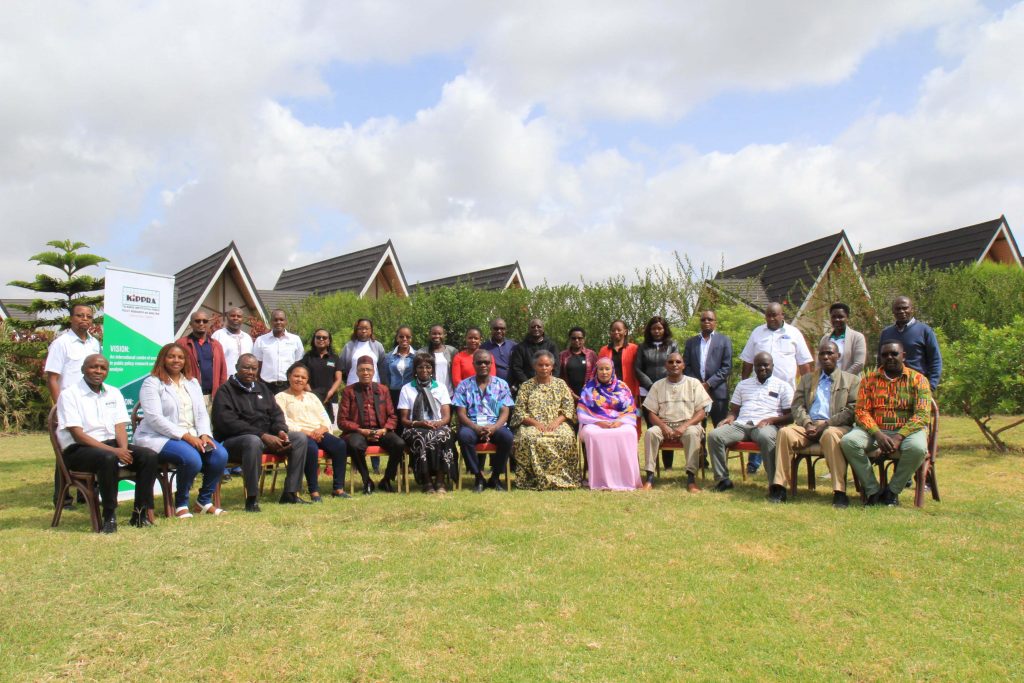
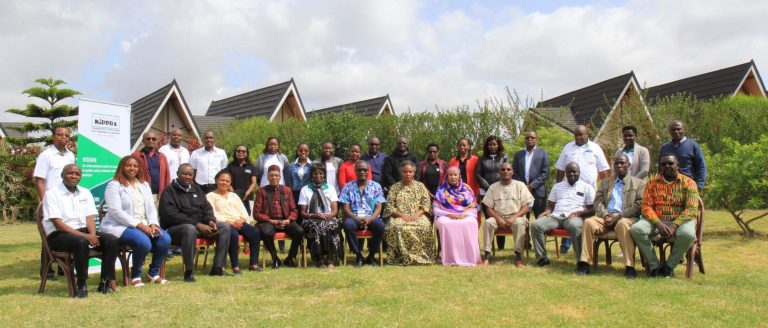
KIPPRA Board Chair Prof Ben Sihanya (centre), KIPPRA Executive Director Dr Rose Ngugi (6th right) pose for a group photo with KIPPRA Board Directors and management staff at the induction workshop

The four-day programme saw the Executive Director, Dr Rose Ngugi, give an overview of the workplan and strategic direction while heads of departments and chairpersons of committees each gave a summary of their departmental functions and workplan achievements for the current year. The board also learnt about the various innovations that the Institute is undertaking, including the Integrated Risk Management System and Electronic Data Management System. The findings of a recent governance audit and customer satisfaction survey were also presented to the board. The sessions included detailed discussions and question and answer sessions.
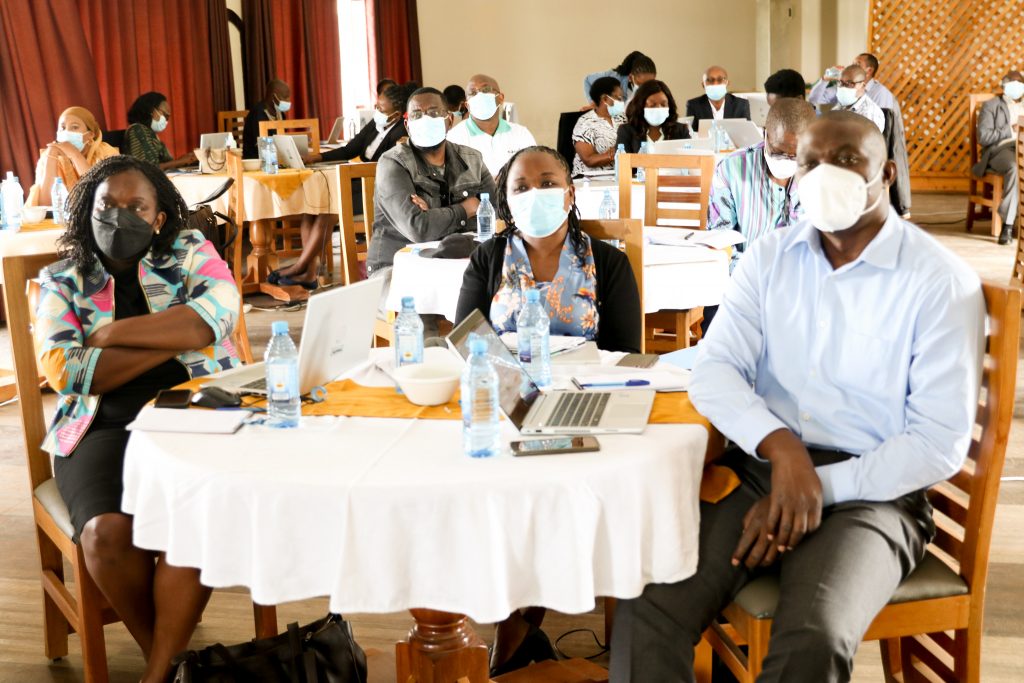
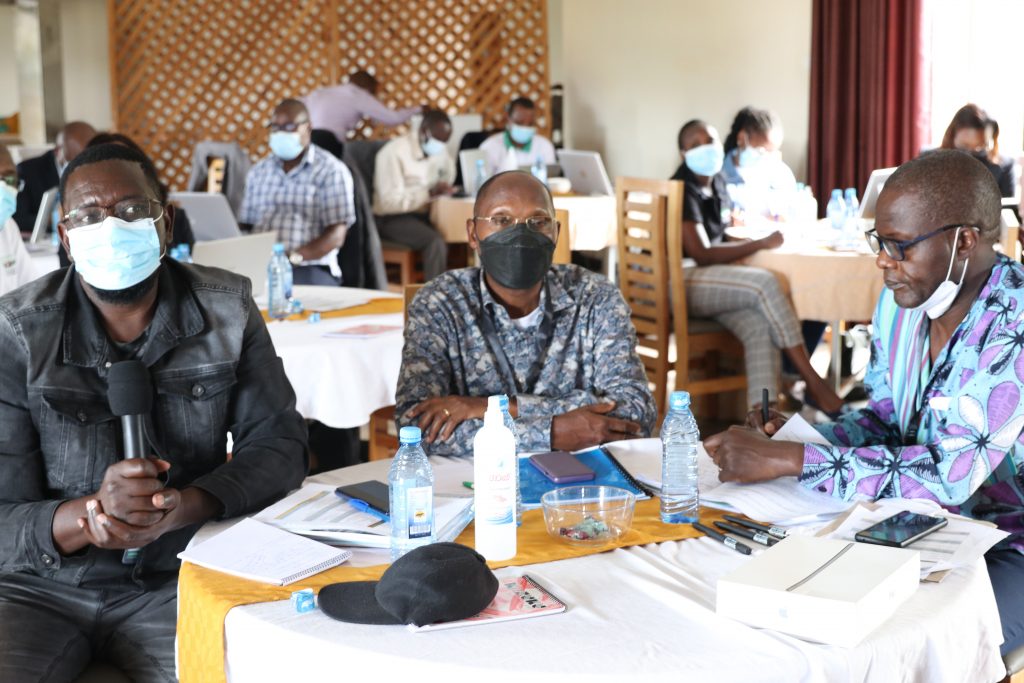
KIPPRA staff follow the proceedings of the induction workshop
KIPPRA Board Chair Prof Ben Sihanya (right) and KIPPRA Board Directors Prof. Harrison Maithya and Mr Koitamet Olekina follow the proceedings of the workshop

Share this post

Stay Up to Date

More Blogs

Empowering Women Entrepreneurs to Create Jobs in Kenya

Women entrepreneurs present an opportunity to restructure the job market through self-employment. Promotion of this segment of businesses is critical in complementing the business sector, which is male-dominated.

Promoting Pension Scheme Acquisition among Informal Sector Workers in Kenya

In Kenya, about 83.6 per cent of the workforce is in the informal sector, contributing substantially to economic development but lacking financial security as they age due to limited access to pensions. Unlike formal sector employees with statutory pensions such as the National Social Security Fund (NSSF), informal workers are often excluded from these programmes.